
Types of Dental Implants Scarborough, ME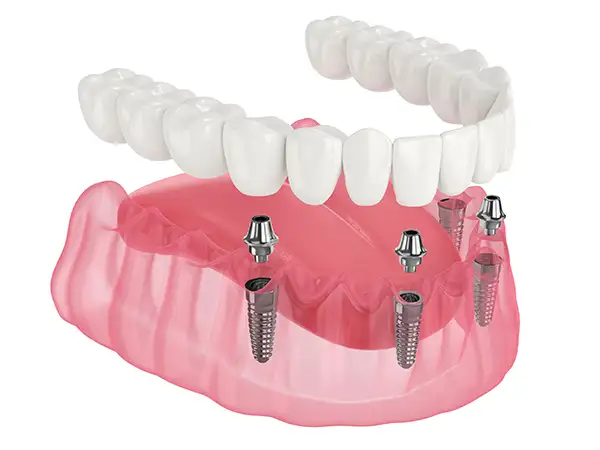 Dental implants have become one of the most reliable and long-lasting options for replacing missing teeth. Dental implants have become one of the most reliable and long-lasting options for replacing missing teeth. But not every patient needs the same solution, and not every implant system works the same way. Understanding the different types of dental implants available can help you have a more informed conversation with our dentist and dental team at Coastal Maine Oral & Maxillofacial Surgery about which approach is right for your situation. If you have questions about dental implants and which option may be the best fit for your situation, contact Coastal Maine Oral & Maxillofacial Surgery at (207) 945-7840 to schedule a consultation. We'll take the time to walk through your options and help you move forward with confidence. Endosteal ImplantsEndosteal implants are the most commonly placed type and the standard approach for most patients. These implants are placed directly into the jawbone, where they fuse with the surrounding bone tissue through a process called osseointegration. Once healing is complete, a custom crown is attached on top, creating a restoration that closely mimics the look and function of a natural tooth. Endosteal implants are well suited for patients with adequate bone volume and density. They can be used to replace a single missing tooth, support a multi-tooth bridge, or anchor a full-arch restoration, making them highly versatile across a wide range of cases. Subperiosteal ImplantsSubperiosteal implants are placed beneath the gum tissue but above the jawbone, rather than within it. This approach was once more common but is now used primarily in cases where a patient does not have sufficient bone height to support a traditional endosteal implant and is not a candidate for bone grafting. A custom metal framework is fitted to the shape of the existing bone, and posts extend through the gum tissue to support prosthetic teeth. While less frequently used today due to advances in bone grafting techniques, subperiosteal implants remain a viable option for select patients. Mini Dental ImplantsMini dental implants have a smaller diameter than standard implants, making them an option in situations where space is limited or bone volume is reduced. They are most often used to stabilize lower dentures, providing improved retention without the need for more extensive surgery. The placement process for mini implants is typically less invasive than traditional implant surgery, with a shorter recovery period. However, they are generally not recommended as a direct replacement for standard implants in single-tooth or full-arch cases, as they are not designed to bear the same load over the long term. Implant-Supported Restorations: What Gets Attached on TopBeyond the implant itself, the type of restoration placed on top plays an important role in how treatment is planned. Common options include:
Each restoration type is selected based on how many teeth are missing, the condition of the surrounding bone and tissue, and the patient's functional needs. Which Type Is Right for You?The most appropriate implant type depends on a thorough evaluation that includes a review of your bone structure, oral health history, and long-term goals. Our qualified implant provider, Dr. Doss will use diagnostic imaging, such as a cone beam CT scan, to assess your anatomy before recommending a specific approach. |
